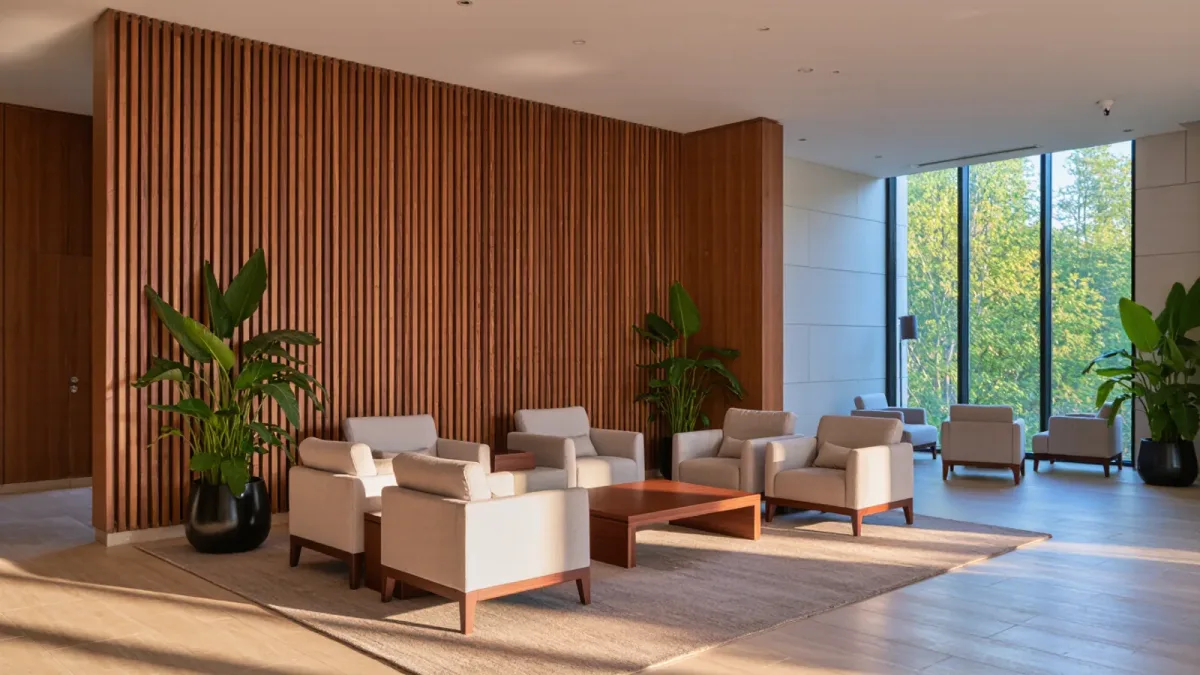
Biophilic design brings natural elements into hotel interiors, and the research linking greenery and daylight to perceived wellbeing has made it a rate argument — but live walls and planted atria carry operating costs that neutral palettes never did.
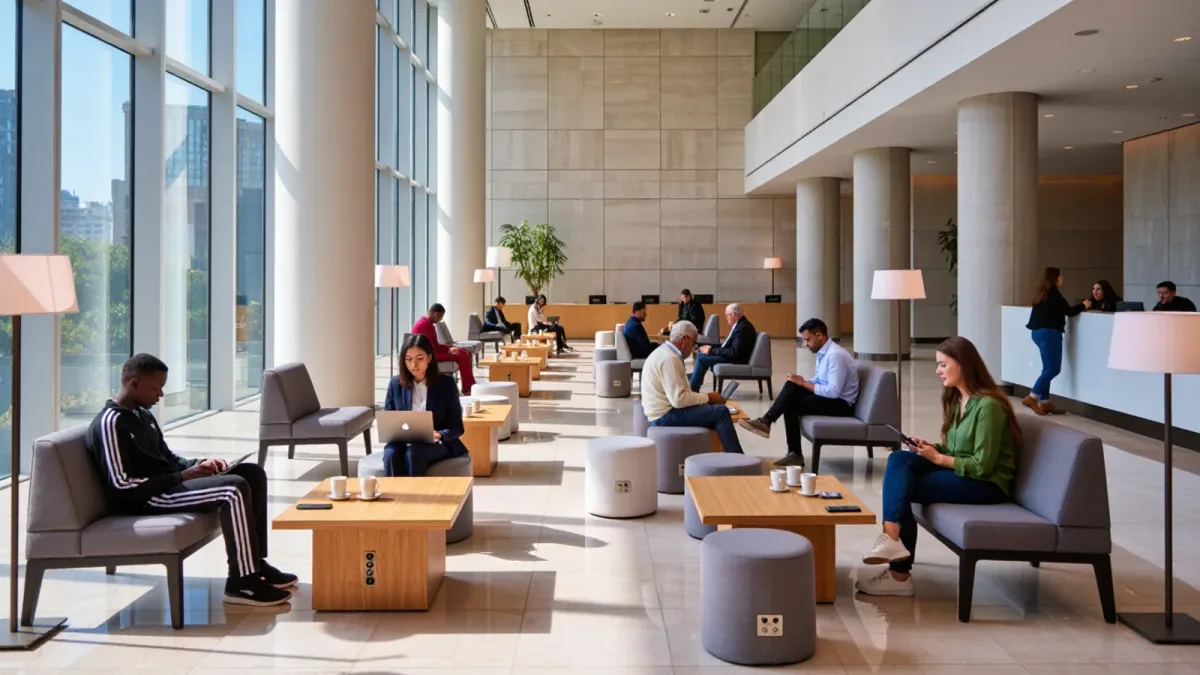
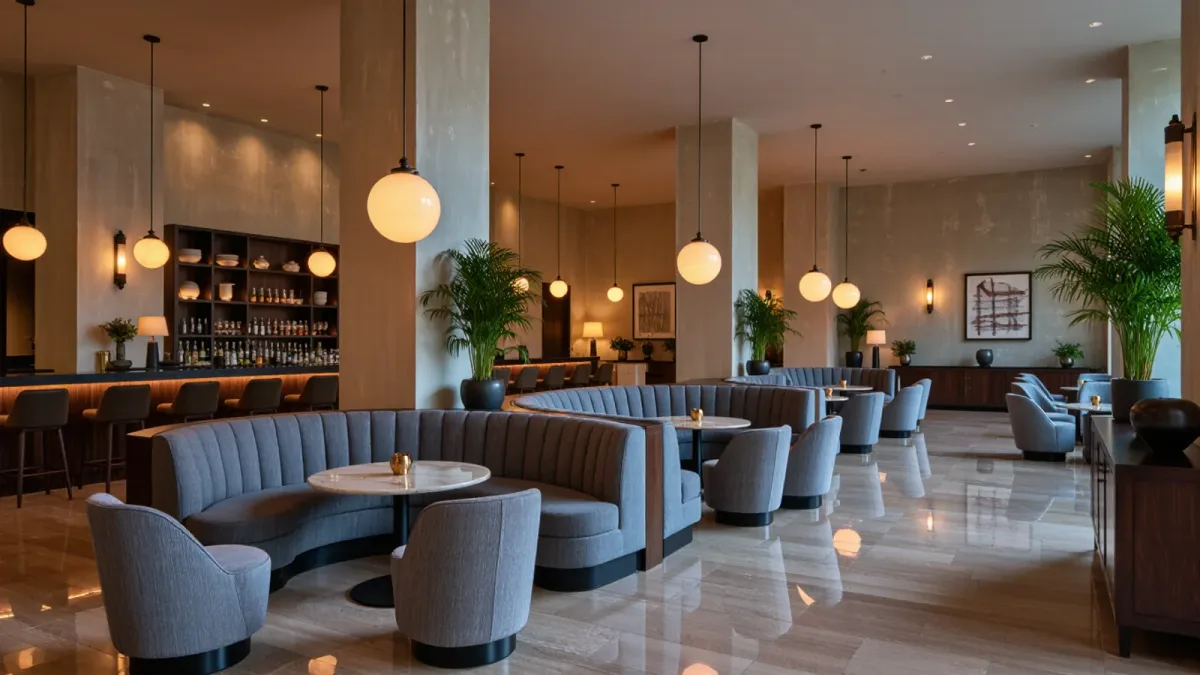
The lobby has evolved from a circulation space with a desk into the hotel's most photographed, most programmed and, increasingly, most monetized floor — and that changes how it is designed, staffed and measured.
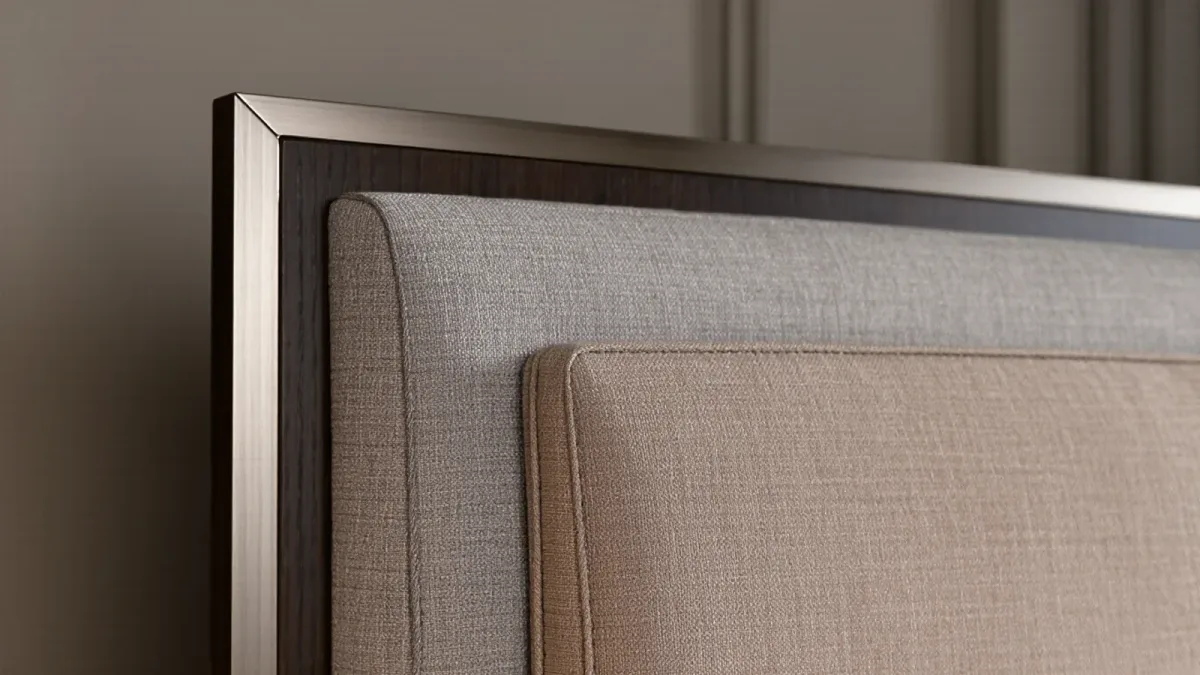
Furniture, fixtures and equipment routinely run to tens of thousands of dollars per key, and the overruns that sink renovation budgets trace to a handful of recurring causes: late specification changes, freight surprises and lead times nobody put in the contract.
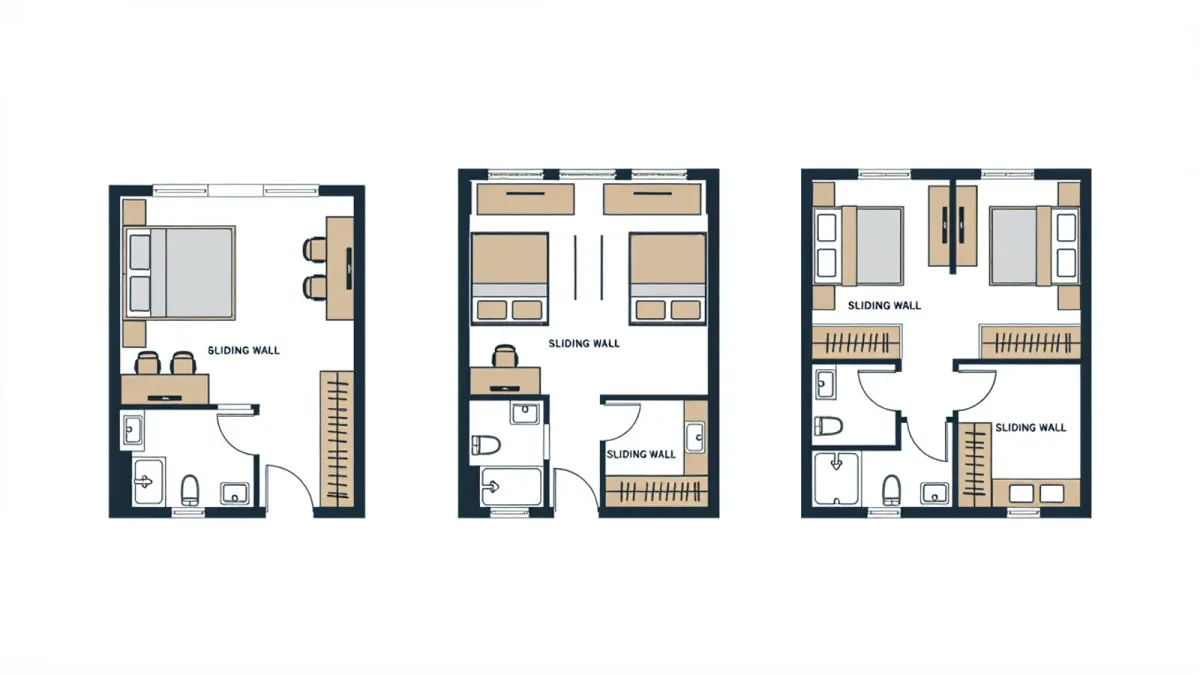
Sliding walls, murphy beds and modular furniture let a single key count as a family room by day and two doubles by night — but the mechanics demand more from FF&E than a standard room ever will.
Lifestyle properties sell a designed identity rather than a standardized product — which moves the brand's value from the signage onto the FF&E, the soundtrack and the staff wardrobe, and puts renewal cost on a shorter clock.