
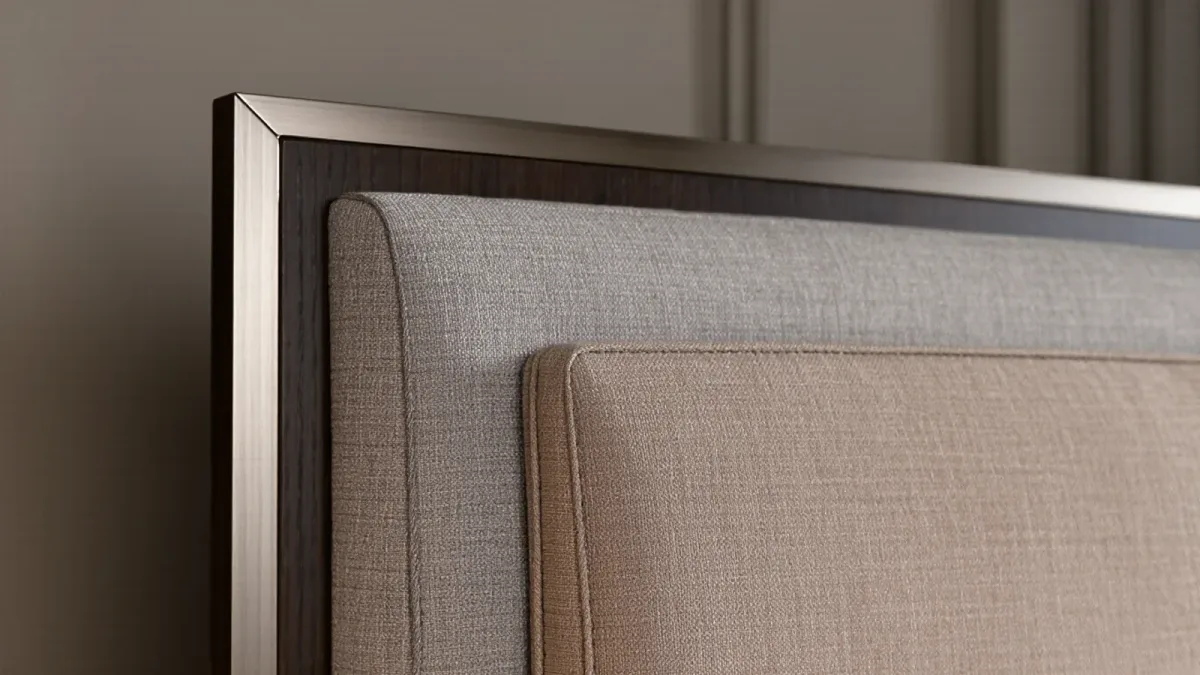
FF&E — furniture, fixtures and equipment — is the movable substance of a hotel: beds, casegoods, seating, lighting, art, appliances and the operational equipment behind them. In a full renovation or new build it is one of the largest single capital lines, commonly planned in the tens of thousands of dollars per key for full-service properties, and it is the line most likely to miss its budget.
The overruns are not random. They cluster around a small set of procurement mechanics that operators and owners can contract around.
What does an FF&E budget actually cover?
A disciplined budget splits into: the purchased cost of goods from each vendor; freight, drayage and installation — which together can add a double-digit percentage to the goods total; taxes and duties, significant on imported casegoods; design and specification fees; and a contingency. Budgets that treat freight as an afterthought are the ones that miss, because freight quotes arrive late, vary widely and spike with fuel and port conditions.
OS&E — operating supplies and equipment, the linens, glassware and smallwares — sits adjacent to FF&E and is often budgeted separately; blending the two is a common way of losing visibility on both.
Where do FF&E budgets blow up?
Five recurring causes show up across projects:
- Late specification changes — a swap after purchase orders are cut reprices the item and re-buys the freight.
- Lead-time optimism — long-lead items ordered after the construction schedule assumed them, forcing air freight or phased openings.
- Custom items without approval loops — one-off pieces priced at prototype stage and re-quoted at production.
- Site conditions — elevators too small for the specified casegoods, corridors too tight for the sofa, discovered at delivery.
- Substitutions — vendors proposing alternates that meet the look but not the commercial durability spec, discovered after the warranty clock starts.
Each is a contract question before it is a design question.
Related stories: Transforming hotel rooms: flexible design that sells one room as three configurations · The most expensive square meters: bathroom design, water fixtures and cost in use.
Which contract terms hold the line?
The terms that matter most in hotel FF&E purchasing: firm pricing windows with stated validity dates; defined lead times with liquidated consequences or, at minimum, honest expediting duties; freight terms specified to the installed point, not the port; approval procedures for any substitution, with durability testing referenced to commercial standards; and damage-in-transit responsibility written down to the delivery dock. Owners purchasing through purchasing companies should require visibility into vendor pricing rather than accepting opaque markups.
Durability is a budget line, not a preference
The cheapest compliant bid is rarely the lowest cost in use. Contract-grade durability testing — seam strength, frame cycles, surface abrasion — exists because hospitality furniture endures use levels domestic furniture never sees. US government standards for textile and furniture flammability, maintained under regulations such as those enforced by the Consumer Product Safety Commission, set the compliance floor; durability beyond the floor is a commercial decision that shows up in the next renovation cycle.
FF&E procurement rewards the same discipline as revenue management: early commitments, contractual clarity and no late surprises. The projects that hold budget are the ones where the specification was frozen before the money moved.