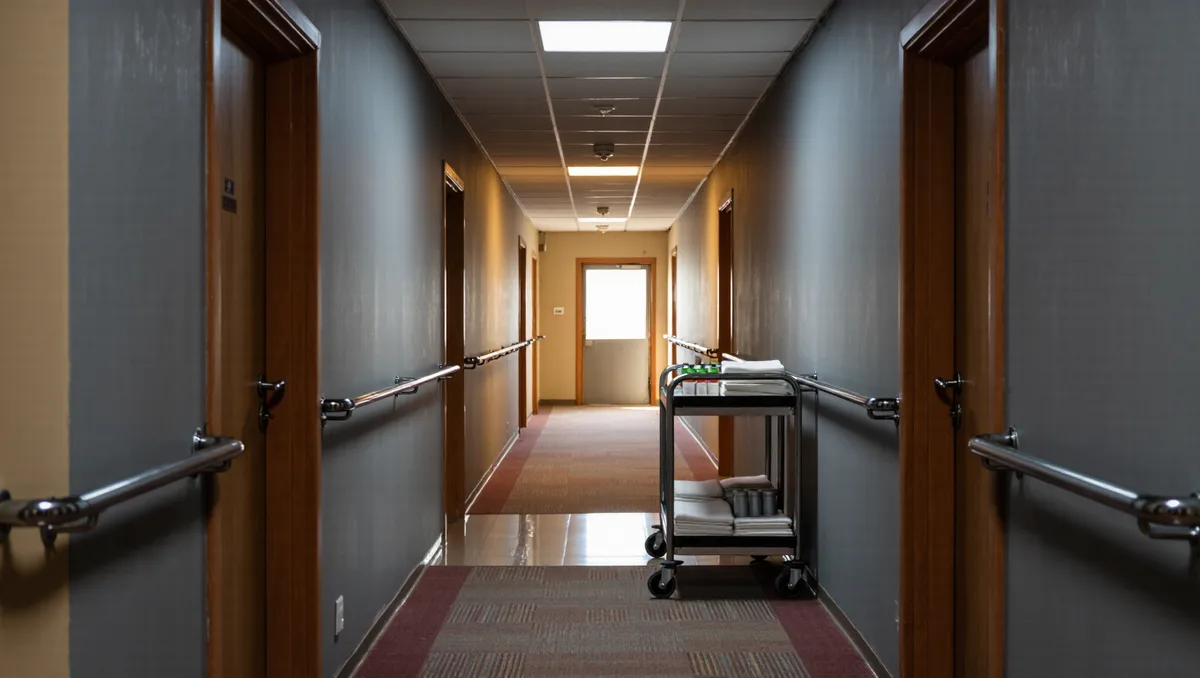
IHG signs a sixth Garner in India, but the Jim Corbett bet stays unproven until 2027
A 50-key midscale signing beyond the metros reads as momentum. The evidence behind that reading is thinner than the release suggests.
Property-level analysis of hotels and the groups operating them: room product, rate positioning against the competitive set, occupancy and length of stay, conversion projects and brand fit. Reporting treats each property as a business with a plan attached. Written for operators, owners and guests who read a hotel closely.
Hotels and groups assessed on room product, rate positioning.
A 50-key midscale signing beyond the metros reads as momentum. The evidence behind that reading is thinner than the release suggests.
Rate parity clauses look simple on paper. In practice, hotels price the same room differently across channels, and the gaps follow the economics, not the contract.
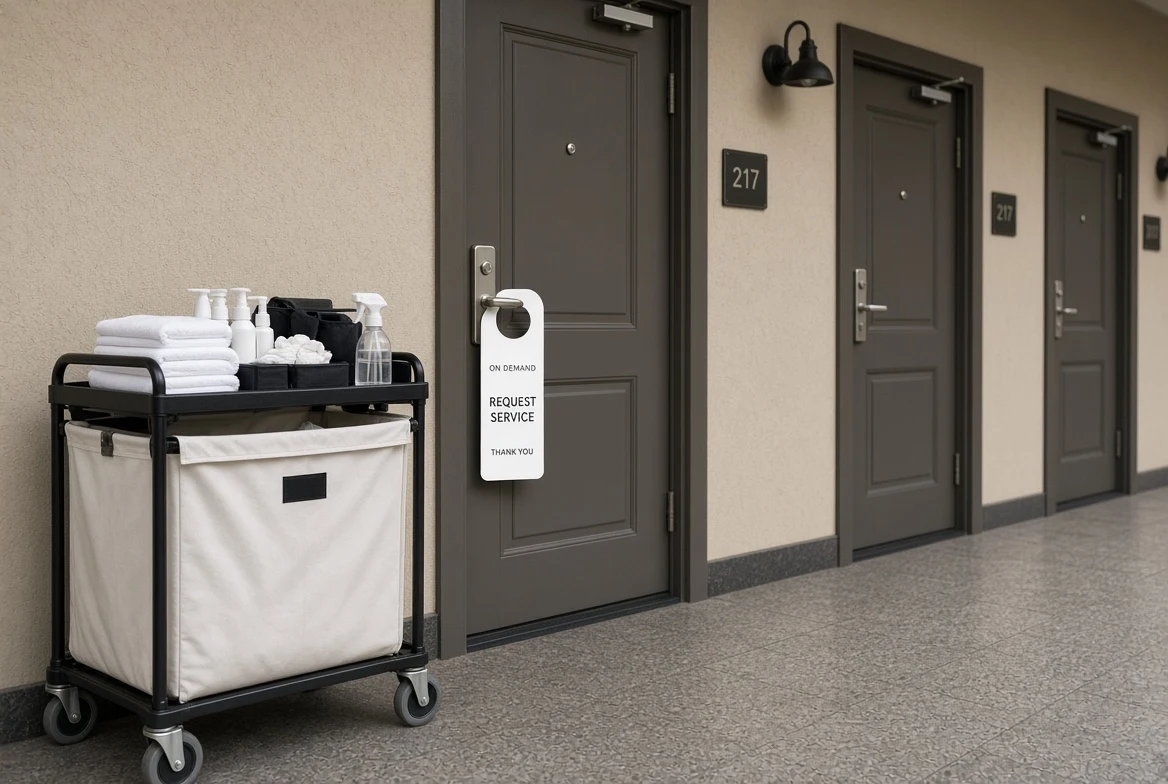
Most hotels now clean occupied rooms only when a guest asks. AHLA data shows why guests accepted it — and operators are still working out what it costs and saves.

Fast check-in, a real desk, dependable WiFi, breakfast that fits an 8 a.m. start, and a receipt that survives an expense report — the business stay is decided by friction, not by thread count.

Hospitality runs among the highest quit rates of any US industry, and each frontline departure costs a property in recruiting, training, errors and the guest reviews written during the weeks the role is empty.
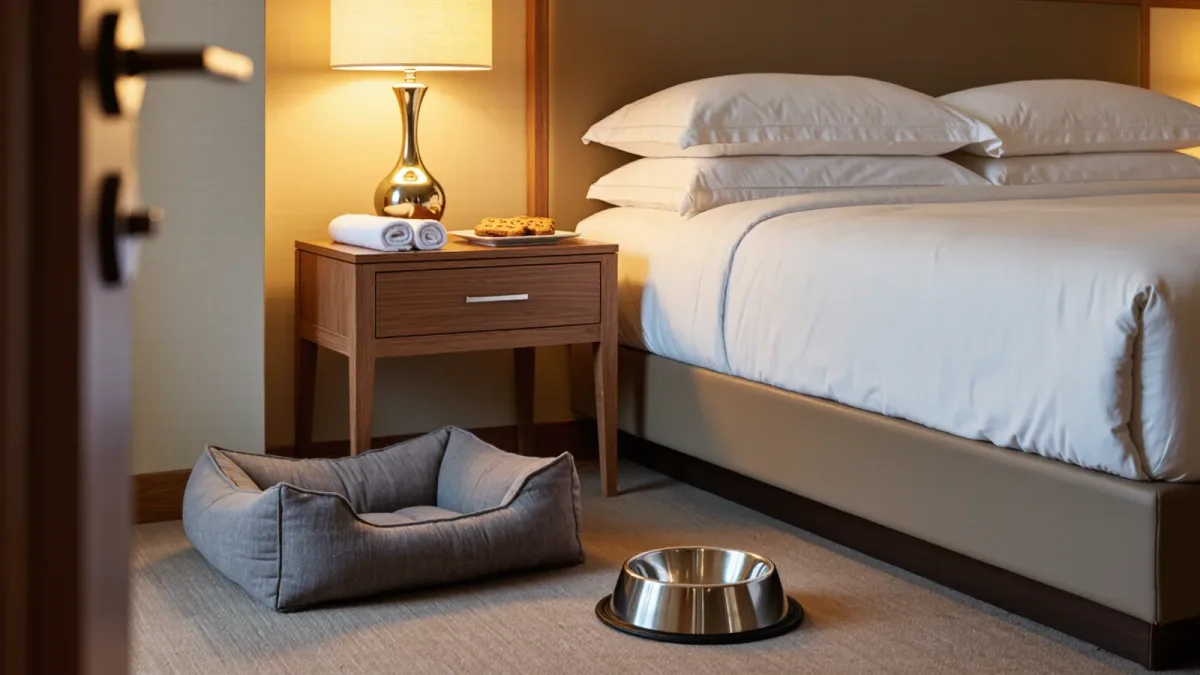
Pet policies vary more than almost any hotel amenity — fees, size limits, and floor assignments differ property by property, while service animals follow federal rules that override the pet program entirely.