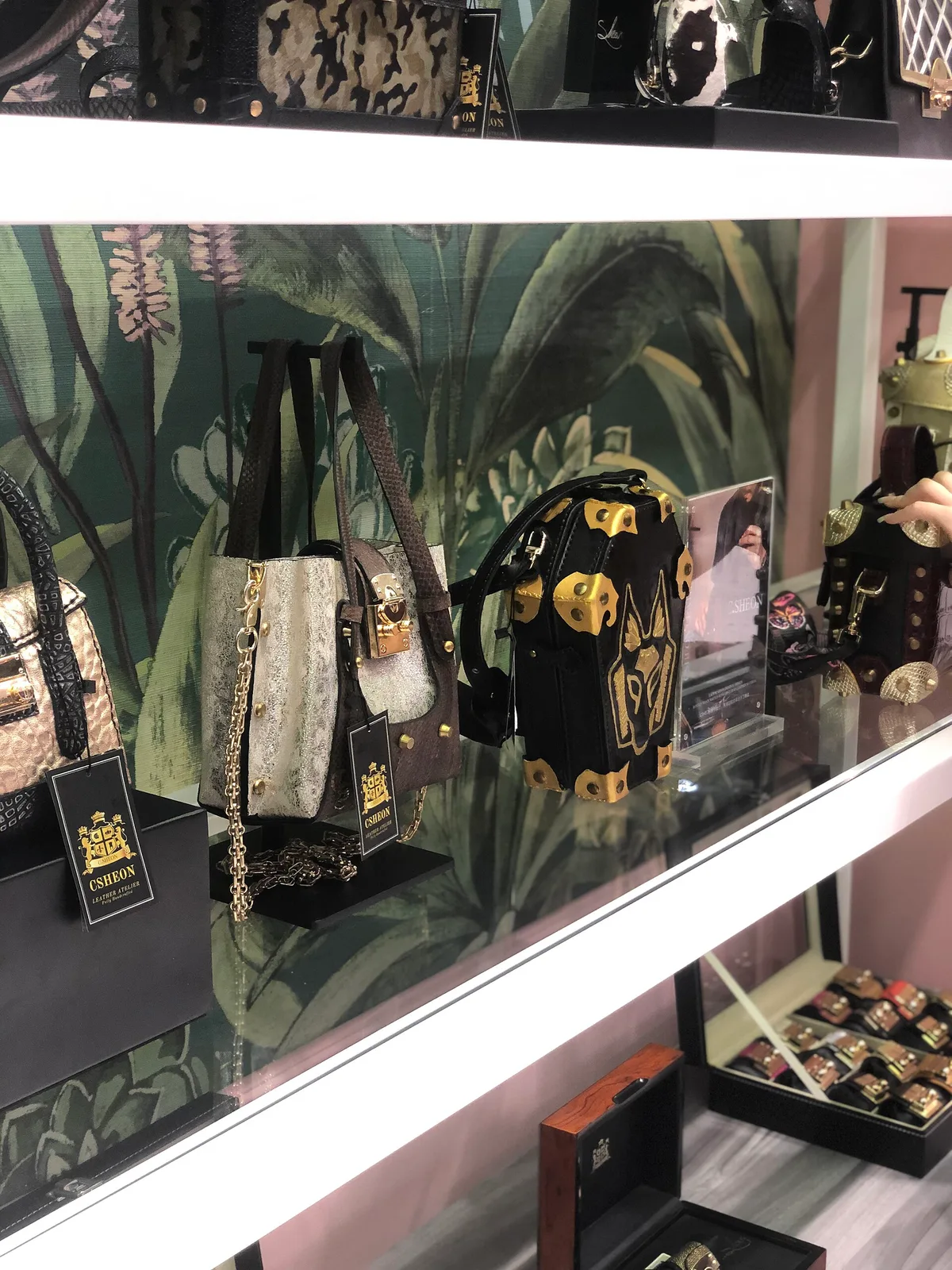
The designer bags worth the investment, explained: stitching, leather and resale
What actually separates a bag that lasts a decade from one that fails by year two — and how to read the difference before you pay.
Hotel architecture and interiors examined for performance rather than photography: circulation and corridor flow, acoustic separation, lighting layers, bathroom ergonomics, adaptive reuse projects and materials that survive heavy turnover. For designers, developers and travelers who notice why one room feels calm and another does not.
Architecture and interiors judged by wear as much as photography.
What actually separates a bag that lasts a decade from one that fails by year two — and how to read the difference before you pay.
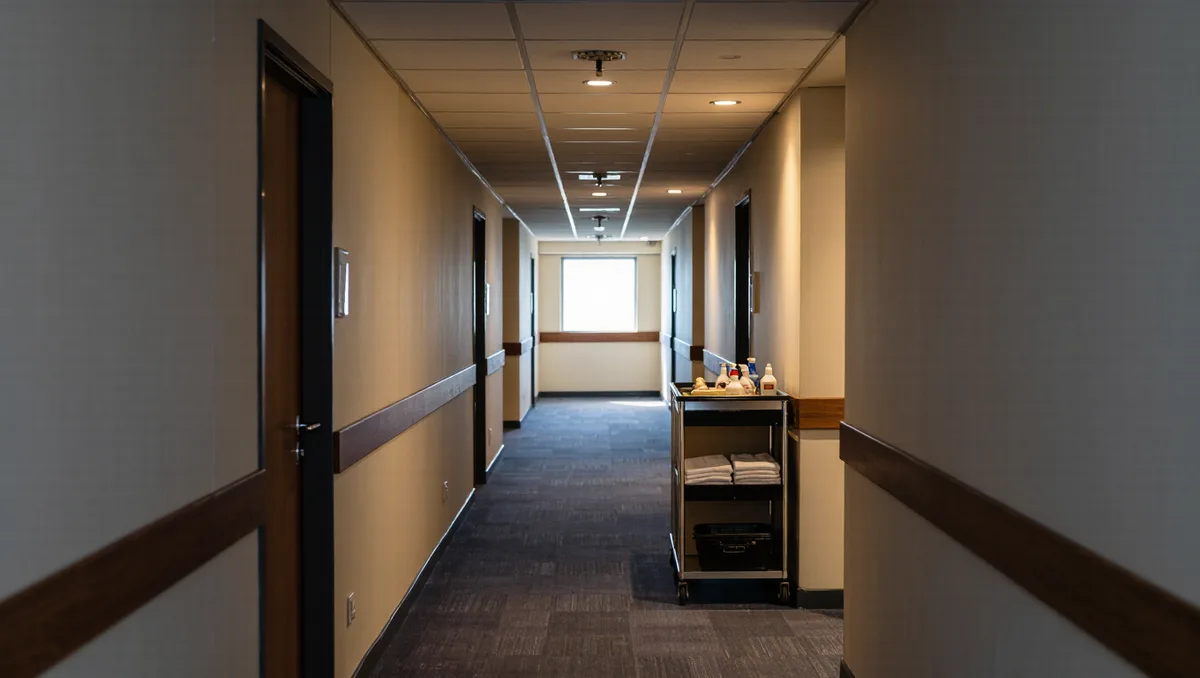
A 35-room Santa Teresa property shows how material choices, a restaurant-led social scene and low-tech service can carry a five-star rating without a brand behind it.
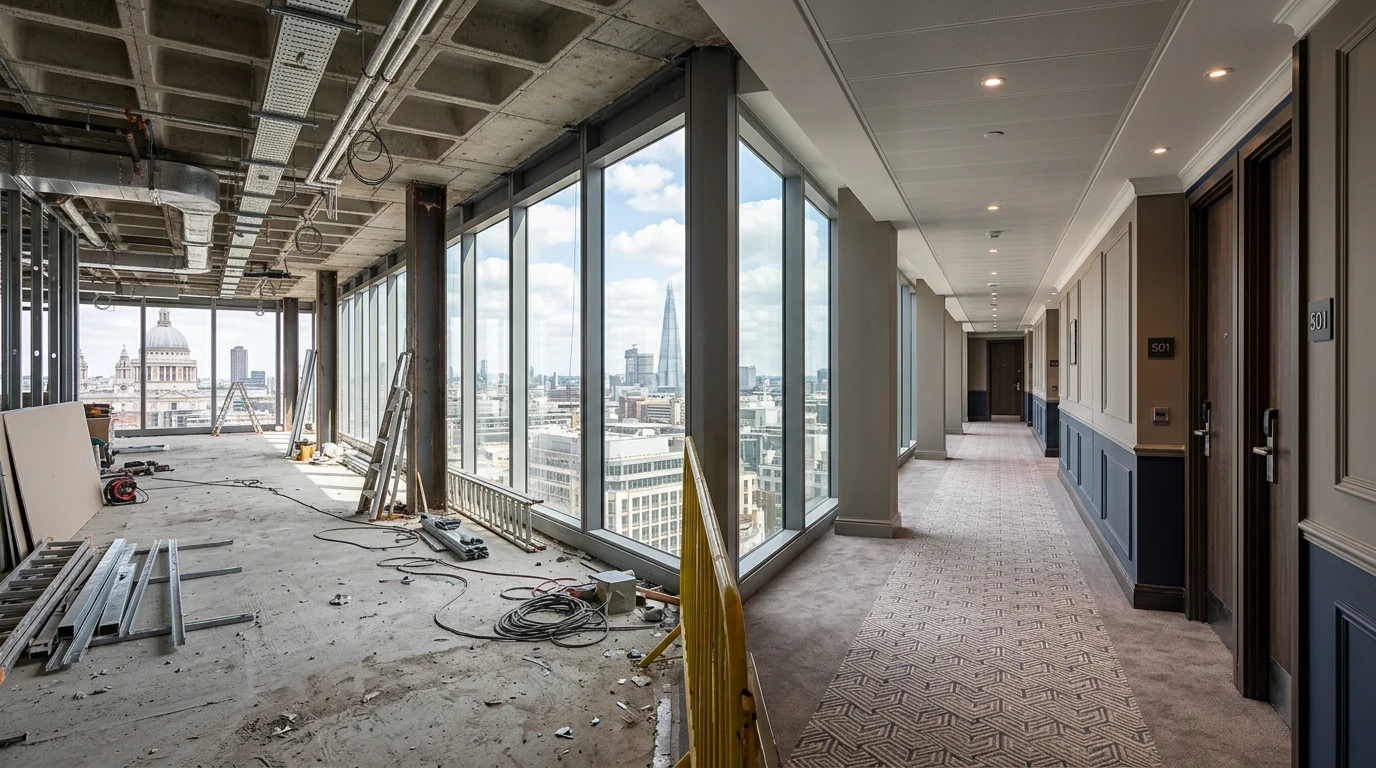
CBRE puts the price of turning a vacant office building into hotel rooms at $250 to $650 a square foot, well under ground-up construction in some cases, but CBRE's own hotels team says the same buildings routinely blow past that range.
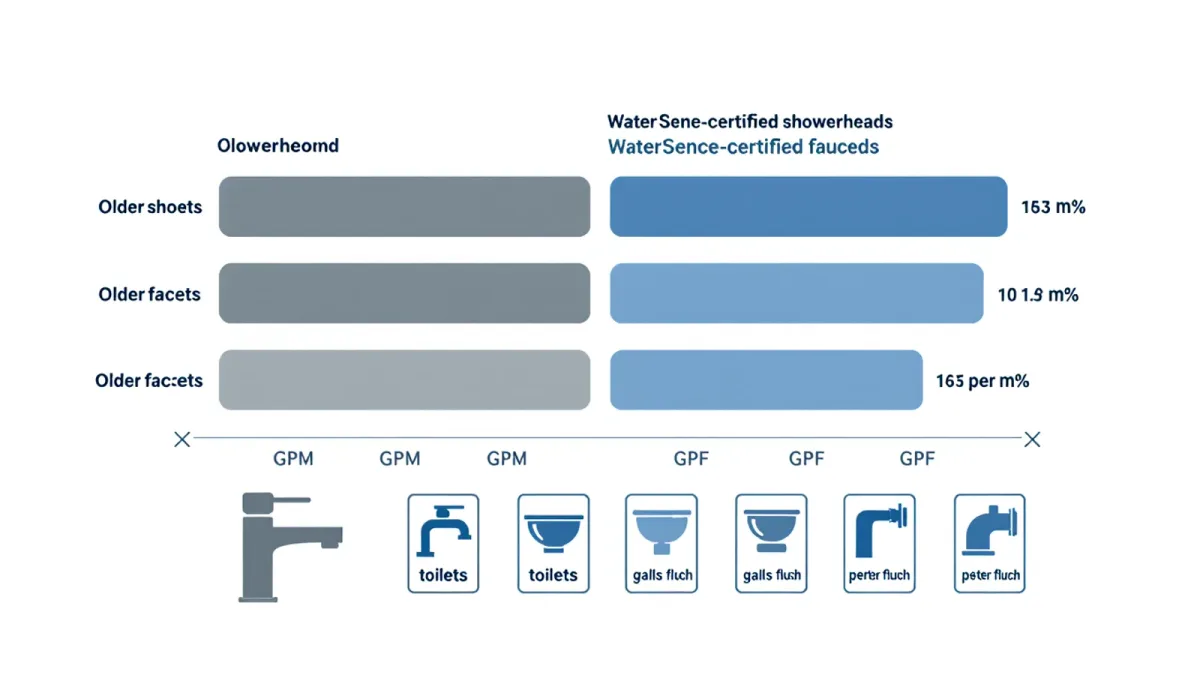
The guest room bathroom is the costliest area per square meter to build and the most maintenance-prone to operate — which is why walk-in showers, WaterSense fixtures and accessible layouts have become the specification default.
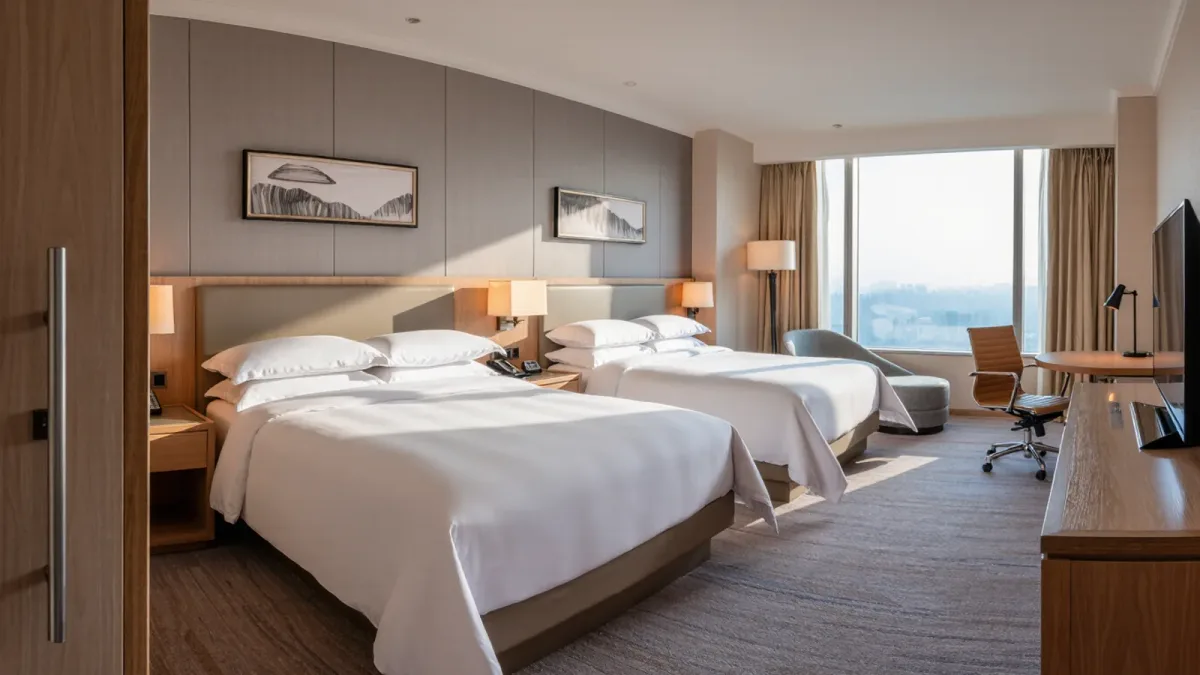
Franchise design standards specify everything from corridor widths to soap dispensers so a guest meets the same product in every city — and the property improvement program is the mechanism that renews the promise, at the owner's expense.
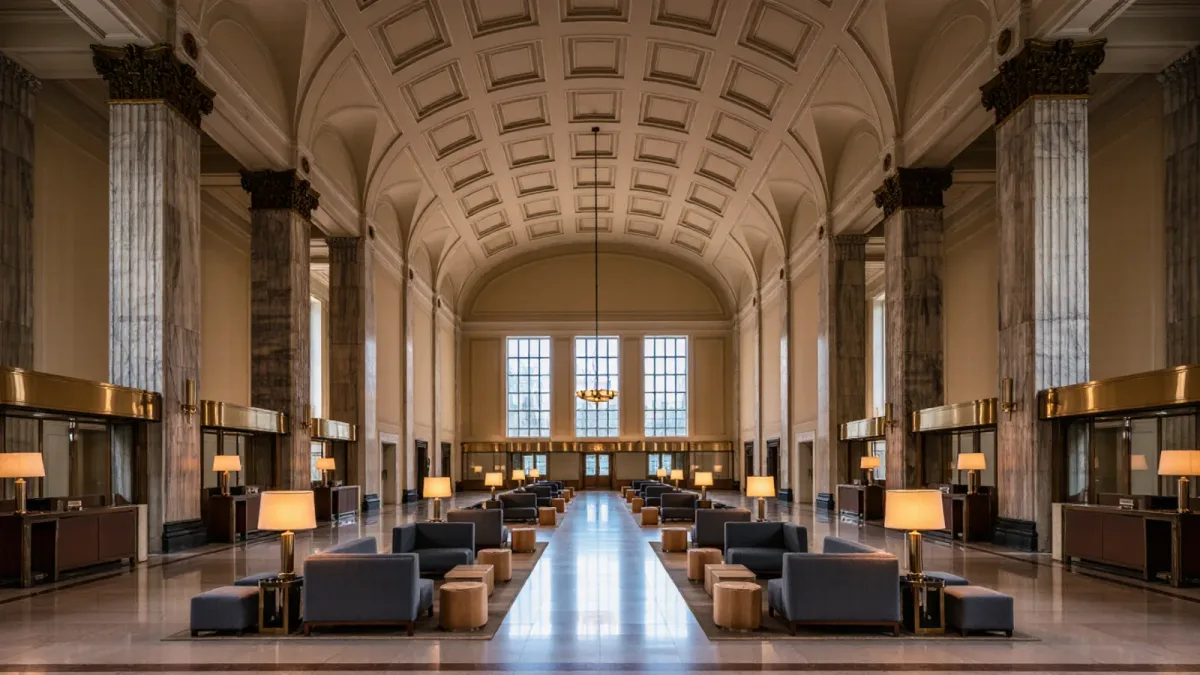
Heritage conversions turn buildings with impossible bones — vaulted halls, protected facades, industrial frames — into properties no developer could build new, in exchange for a design process negotiated with preservation authorities.