
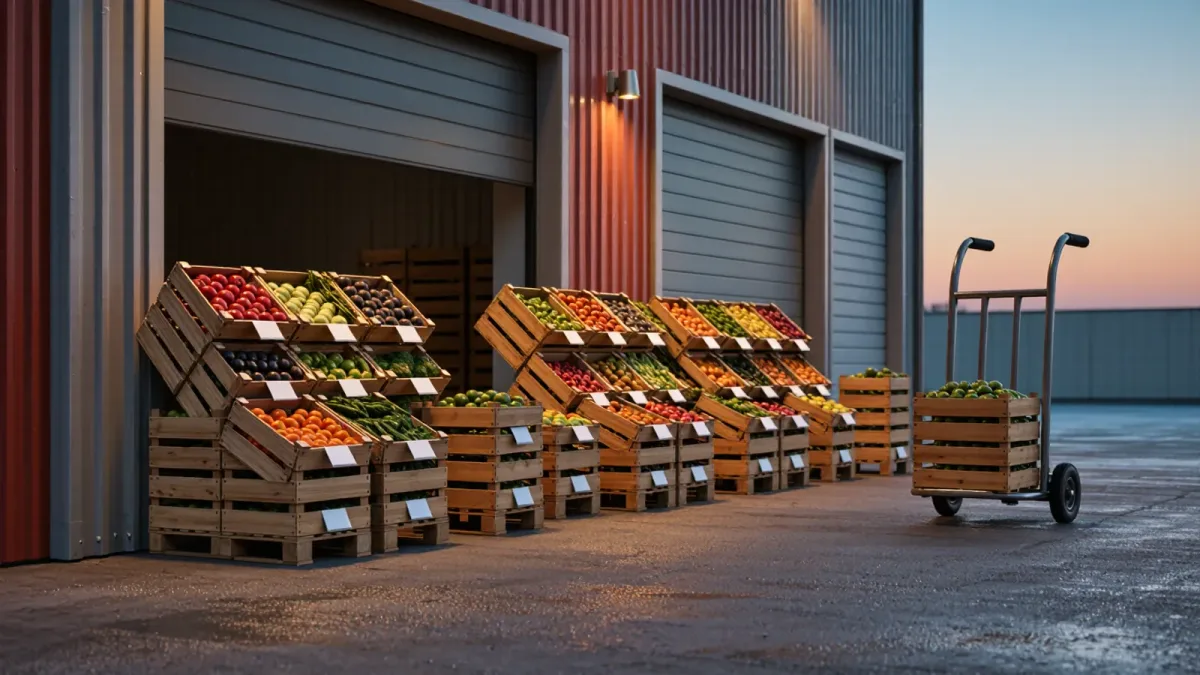
Local sourcing means buying ingredients from producers within a defined radius of the property — commonly a state line or a 100-to-250-mile band in US practice, with no single legal definition — and committing the menu to what that radius reliably yields. For hotel food-and-beverage operations, the practice earns its keep in three places: a traceable supply chain that sustainability reporting can document, a menu identity that chain competitors cannot copy, and a procurement relationship that markets the property to the community around it. It loses money wherever the kitchen treats it as a garnish on a fixed menu rather than as a planning discipline.
What does "local" actually buy a hotel kitchen?
Four concrete benefits, in descending order of operational value. Traceability: a single named farm per ingredient converts an anonymous commodity into a documented supply line, which serves allergen control, brand safety, and ESG reporting simultaneously. Quality and shelf life: shorter transit means produce that arrives closer to harvest and lasts longer in the walk-in, which trims spoilage — a real waste-line saving rather than a marketing one. Menu distinction: a breakfast menu built on named regional producers reads as place, and place is the one thing a traveling competitor cannot import. Community standing: the farm's own customer base becomes an audience for the restaurant, and local-procurement commitments increasingly appear in municipal and institutional RFPs, where USDA local-food infrastructure — from the Agricultural Marketing Service's local food programs to regional food hubs — has professionalized the supply side.
Why do local programs fail in hotel operations?
The structural mismatch is volume and calendar. A hotel kitchen buys 52 weeks a year in volumes that swing with occupancy; a diversified farm delivers seasonally, in quantities shaped by weather. The programs that survive solve the mismatch in one of three ways: aggregation, where a food hub or distributor pools dozens of local producers so the kitchen gets one invoice, one delivery, and one food-safety conversation; contracting, where the kitchen commits volumes for the season in exchange for priority supply — the farm-planning discipline that makes crop decisions bankable for the grower; and menu flexibility, where the menu names the farm and lets the dish follow the harvest rather than the reverse.
The failure pattern is the chef's-market special that becomes an expectation: a dish built on one farm's June crop cannot appear on a September banquet menu, and properties that promise it on a static brand-standard menu renege within a season.
Related stories: Hotel HVAC retrofits: where the energy savings actually come from · EV charging at hotels: what to install, what it costs, and who pays.
What does the price premium actually look like?
Line-item prices run higher than broadline distribution, most visibly on proteins and specialty produce; the honest accounting nets that premium against the spoilage saving, the labor in fewer rejected deliveries, and the revenue side of menu distinction. Banquet operations are the hardest venue to justify premiums at scale — a thousand covers at a fixed group rate tolerate no ingredient romance — which is why most successful programs are asymmetric: local sourcing lives in the signature restaurant, the bar program, and the breakfast identity, while the banquet kitchen buys on distribution economics and is not asked to apologize for it.
What does food-safety compliance look like?
Procurement standards do not bend for proximity. Suppliers must meet the same receiving documentation as any distributor: insurance, food-safety audit records appropriate to their scale, and cold-chain compliance on delivery. Food hubs exist partly to carry that compliance burden for small farms, which is why hub-sourced "local" is easier to defend to a franchisor or auditor than direct farm relationships. Direct relationships remain worth having — for the traceability story and the chef's market intelligence — but they require the property to perform the verification itself.
For operators, local sourcing is a procurement strategy that happens to generate a story, not a story with a procurement cost attached. Asymmetric adoption — signature outlets yes, banquets no — is what makes the numbers close.
The measurement is straightforward: percentage of food spend by spend category purchased within the defined radius, tracked quarterly, with spoilage and menu-mention revenue alongside. Properties that report those numbers can defend the program to owners; properties that only report the press release cannot defend it to anyone.