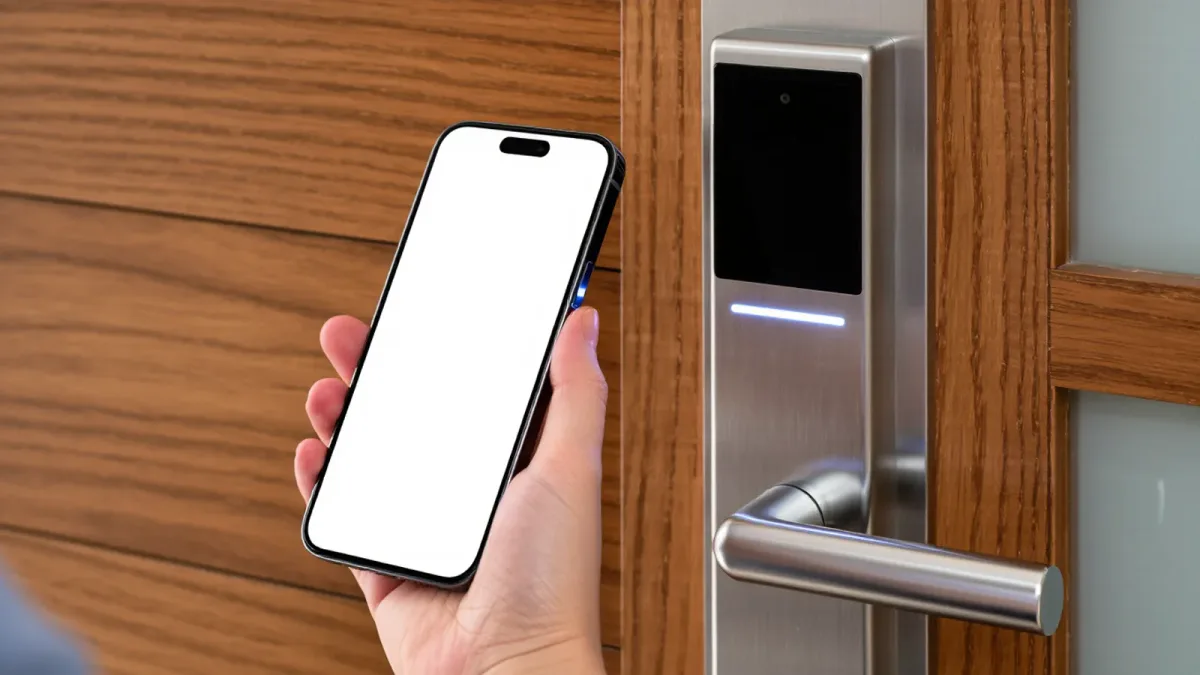
Mobile keys turn a guestroom lock into a Bluetooth endpoint managed by the hotel's access system — convenient when the handshake works, frustrating when the guest is standing in the corridor at midnight.
A front desk agent can process roughly 20 to 30 arrivals per hour under good conditions; on a 300-room property with a 6 pm arrival wall, that arithmetic decides how many agents the evening shift needs — and how many guests form the first impression.
Loyalty programs trade a guest's booking consistency for upgrades, points, and quieter perks — and the value depends far more on how often and where a traveler stays than on the earn rate itself.
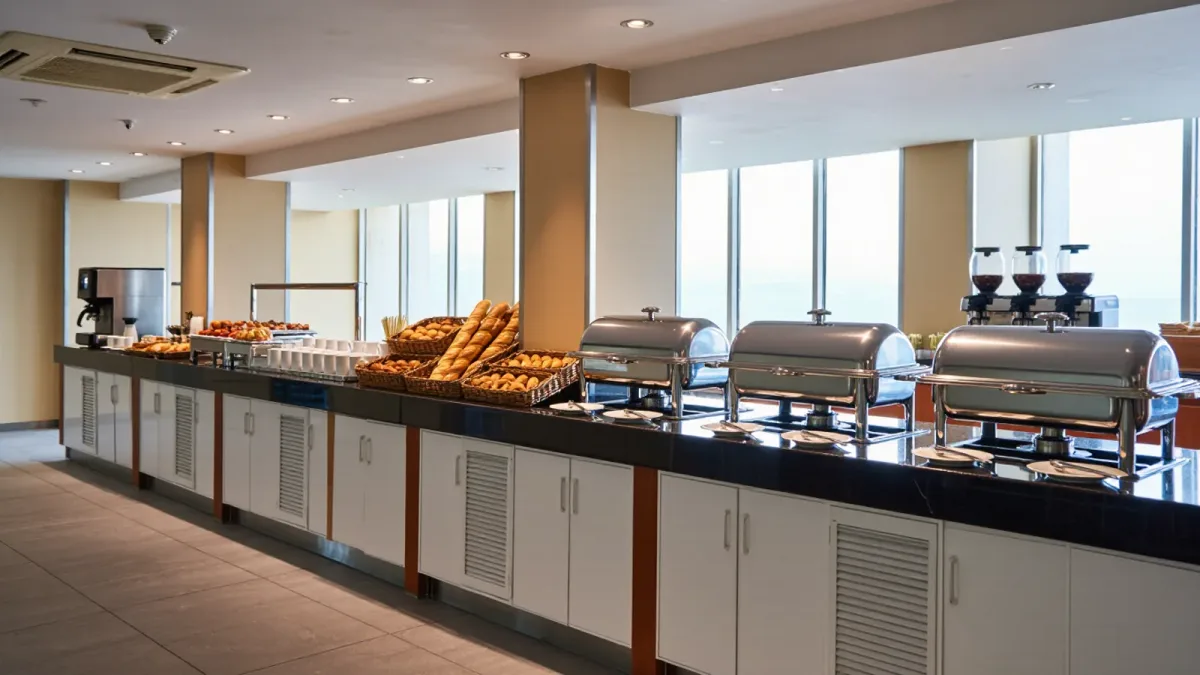
Food and beverage can be a hotel's second profit engine or its most stubborn cost center — and the difference is decided by breakfast pricing, capture rate and a few unglamorous menu decisions.
The properties with the strongest review scores are rarely the ones with the fewest failures — they are the ones whose recovery process is fast, empowered, and closed-loop.
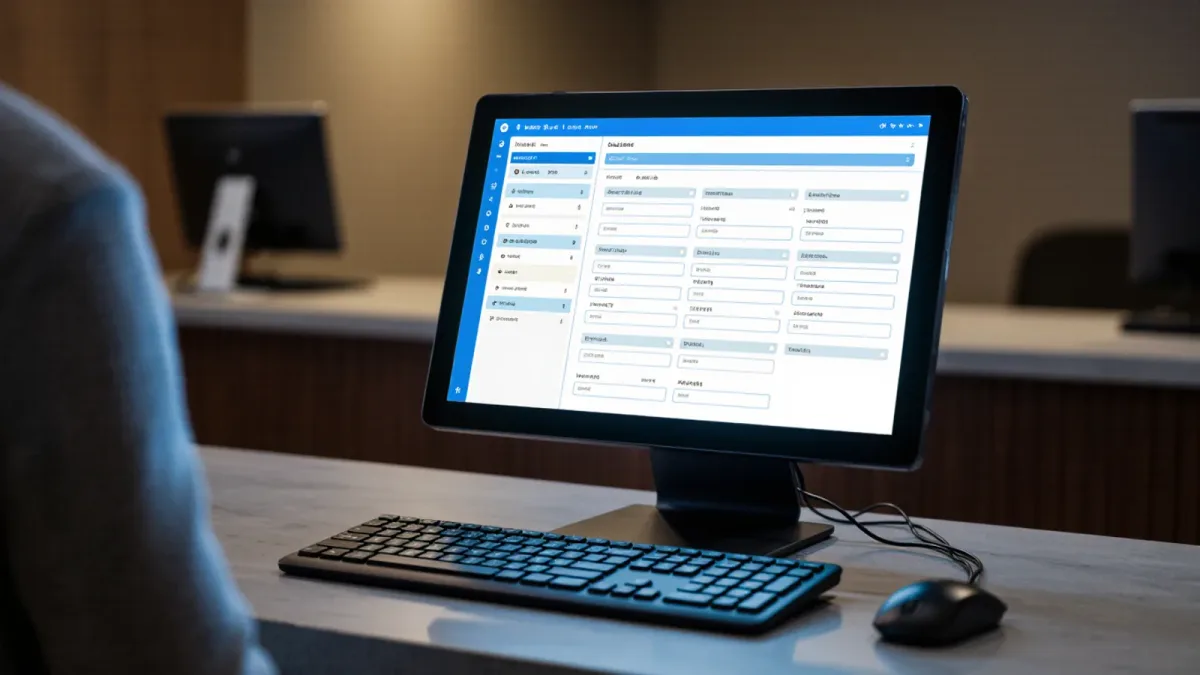
Every hotel technology product sells itself as the center of the stack, but the property management system still holds the inventory — and most operational failures trace to the connections between systems, not the systems themselves.