
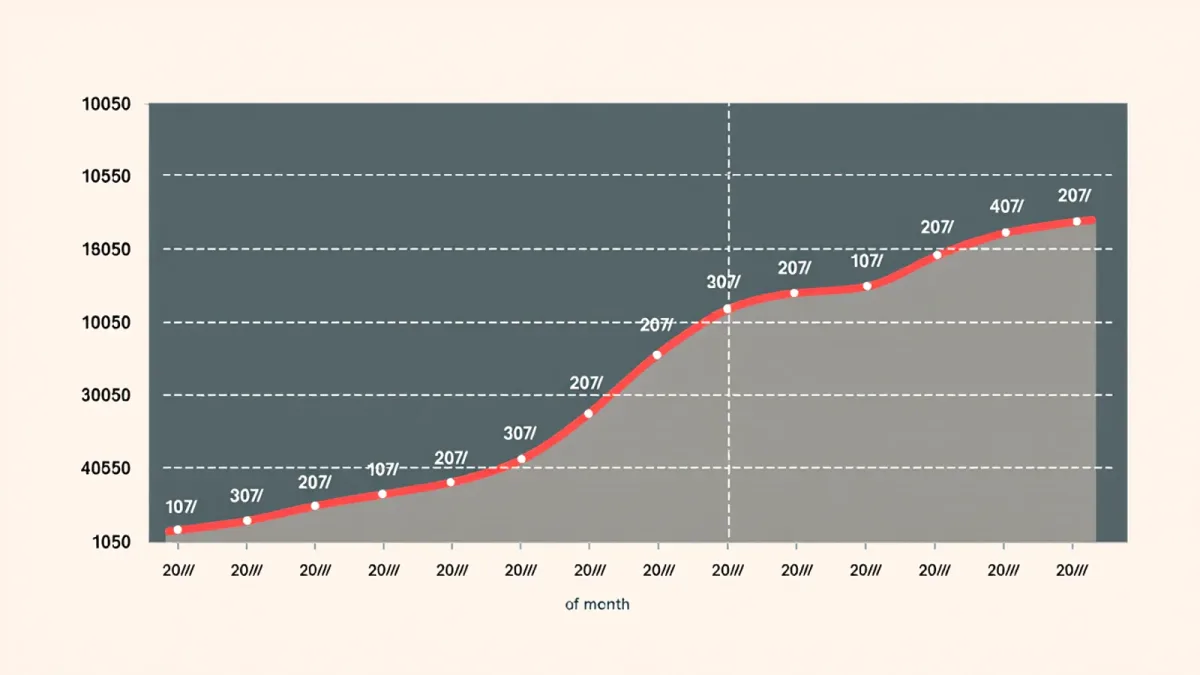
Dynamic pricing — in hotels, typically built on a best available rate, or BAR, structure — is the continuous adjustment of room rates against forecast demand: the same room type carries different prices by date, day of week, pace of bookings and remaining inventory. It replaced the single published rate because demand for a fixed room supply is wildly uneven, and a flat price either gives away peak nights or starves troughs.
The mechanics are now commodity; revenue management software and even PMS-native tools re-price automatically. What separates operators is the guardrail design around the automation.
How does a BAR structure work?
BAR defines a reference rate per room type per date — the best rate publicly available without restrictions. Around it sit priced variations: BAR minus for advance-purchase and restricted fares, BAR plus for flexible and fully cancellable conditions, and packaged rates that bundle value the guest cannot unprice. Revenue tools move the BAR itself by date as forecasts change, and every other rate follows the reference.
The design consequence is that the BAR must be set honestly: an inflated BAR makes the discount ladder look generous and the flexible rate look punitive, and guests on metasearch see through both.
Related stories: Hotel loyalty programs from the guest's side: what points, tiers, and benefits are actually worth · Personalization vs privacy: what data hotels collect from guests, and where the line sits.
What do floors and ceilings protect?
Two guardrails carry most of the discipline. The floor is the minimum acceptable rate: below it, a sold night covers variable cost and margin-less occupancy — flattering occupancy, hostile to profit — and trains the market on the property's true price. Floors are typically set from cost plus a margin threshold per segment. The ceiling is equally real: a rate high enough that no guest will pay it leaves peak inventory unsold, and dynamic tools that are allowed to climb without a ceiling will, occasionally, do exactly that on a compressed date.
Between the two sit fences — the rules that keep a discounted rate from cannibalizing a full-fare sale: advance-purchase windows, cancellation restrictions, membership requirements, length-of-stay minimums. Fencing is what makes segmented pricing hold.
What does the system optimize toward?
Automation optimizes toward the objective it is given, and the objective is a management decision. Tools tuned purely to occupancy fill the house cheaply; tools tuned to revenue per available room balance rate and occupancy; more sophisticated setups weight channel quality and total contribution, including F&B spend attached to certain segments. Operators should be able to state what their system is optimizing and check it against the calendar: a system that discounts a sold-out-adjacent Saturday is answering a question nobody asked.
The academic baseline for the discipline was set substantially by hospitality research programs — Cornell's Center for Hospitality Research among them — and the operational takeaway has not changed: forecasts are inputs, guardrails are policy, and policy belongs to a person, not a tool.
Dynamic pricing is not the price going up because it can. Run with honest BARs, enforced floors, real ceilings and tight fences, it is the property selling the same room at different values of the same night to the guests who value it differently — which is the entire business.